
Outbrain is one of the biggest native advertising networks in the world, with premium publisher inventory across sites like CNN, the Washington Post, BBC, and the Daily Mirror, plus tens of thousands of regional and Tier-2 publishers.
In February 2025, Outbrain closed its $900 million acquisition of Teads and the combined company rebranded under the Teads name.
The Outbrain ad inventory and the spy workflow for it still exist, but the product is now part of a larger end-to-end advertising platform that also distributes in-article video across the same publisher network.
For affiliates and media buyers, most still refer to "Outbrain ads" by habit, and the spy tools still tag this inventory as Outbrain traffic. That's the convention we'll use in this guide too.
The opportunity: massive reach across high-trust publisher placements where readers are already in a content consumption mindset.
The problem: Outbrain is a black box. The Smartfeed algorithm decides which creatives get served to which audiences, Smartlogic auto-rotates ad formats, and you have zero visibility into what's actually working for your competitors.
You can launch a campaign, burn through your test budget, and still not know whether the angle was wrong, the headline was wrong, the image was wrong, or the landing page was wrong.
Spying on Outbrain ads solves that.
This guide walks through how to spy on Outbrain ads in 2026 using a dedicated native ad intelligence tool, what to look for in winning campaigns, and how to turn what you find into a test you can actually launch.
Why Spying on Outbrain Ads Is Different From Spying on Taboola
Both Taboola and Outbrain are native networks, but the ways they distribute ads and the kinds of advertisers that run on them differ enough that your spy approach needs to shift.
Smartfeed vs. Discovery widget. Taboola's classic format is the "You May Like" widget under articles. Outbrain's Smartfeed is a continuous, scroll-based feed integrated into the publisher's page (similar to Facebook's feed).
In a Smartfeed environment, ads compete for attention against organic recommendations and other ad cards, which changes which creatives win.
Smart-Cards and Smartlogic. Outbrain auto-rotates between ad formats (single image, carousel, video) based on what each user engages with most.
When you spy on Outbrain ads, you're not just looking at one creative; you're looking at format variations that all live under the same campaign. The pattern to spot is which formats keep appearing alongside long-running headlines.
Publisher tier difference. Outbrain skews more toward Tier-1 premium publishers (CNN, BBC, Washington Post, Le Monde, Reach PLC properties). T
aboola has a broader inventory, including more Tier-2 and Tier-3 publishers. What works on a Daily Mirror reader is not always what works on a more mass-market Taboola placement, and your spy session should account for this.
Teads inventory after the 2025 merger. The Outbrain-Teads merger closed in February 2025 and added cinematic in-article video formats to the inventory. If you're spying on Outbrain in 2026, you're also seeing video creatives that weren't there before the merger.
The workflow is similar to the one we covered in our Taboola spy guide, but the patterns you're looking for are different.
Step 1: Pick a Native Ad Spy Tool That Actually Covers Outbrain
Not every "native ad spy tool" covers Outbrain at the depth that matters. Some tools index a handful of creatives per advertiser, others miss key markets entirely.
Before you commit to a workflow, check that your tool of choice:
- Indexes ads from Outbrain across the geos you care about (US, UK, DE, FR, BR are the big ones)
- Captures both image and video creatives, since Smartfeed serves both
- Lets you filter by traffic source so you can isolate Outbrain ads from the rest
- Shows full landing pages, not just creative thumbnails
- Tags ads with metadata like affiliate network, tracking platform, and days running
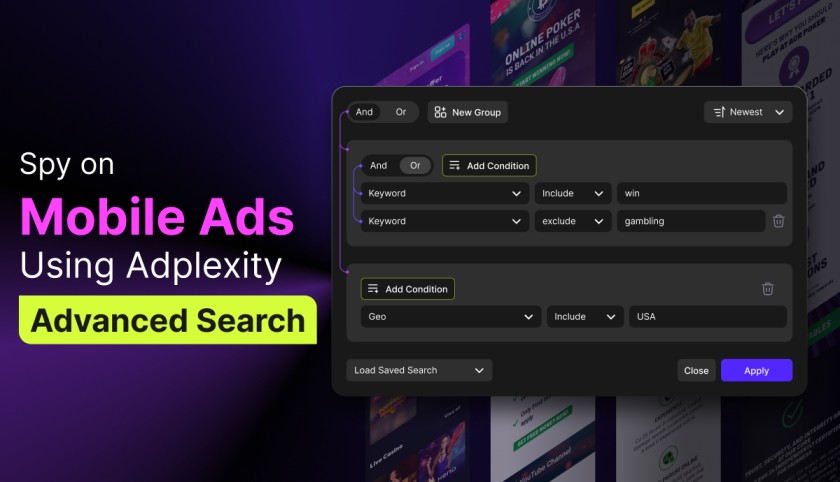
AdPlexity Native is what we'll use as the working example in this guide because it covers Outbrain at depth and lets you reverse-engineer the full campaign architecture, not just the ad. If you're using a different tool, the workflow steps will look similar, but the filter labels and feature names will vary.
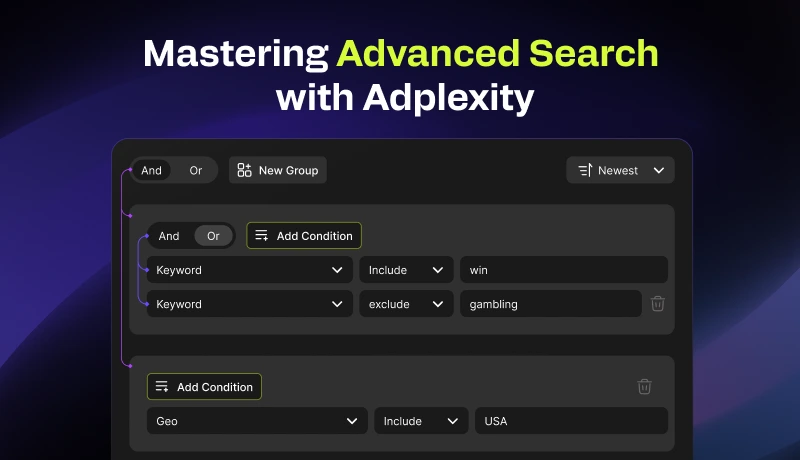
Step 2: Filter for Outbrain Traffic Only
The first move in any Outbrain spy session is to isolate Outbrain traffic from other networks. Otherwise, you're scanning a mixed feed of Taboola, MGID, RevContent, and Outbrain ads, and the patterns get muddy.
In AdPlexity Native:
- Traffic source: Outbrain
- Country: Pick one. Don't combine geos in the same session, since what works in the US Smartfeed isn't always what works in DE or BR.
- Days running: 30+ at minimum. Ads that have been running for a month or more are the ones generating positive ROI. Ads that ran for three days and disappeared are noise.
- Device: Mobile or desktop, depending on what you're planning to test. Outbrain's Smartfeed performs differently across devices, so keep them separate.
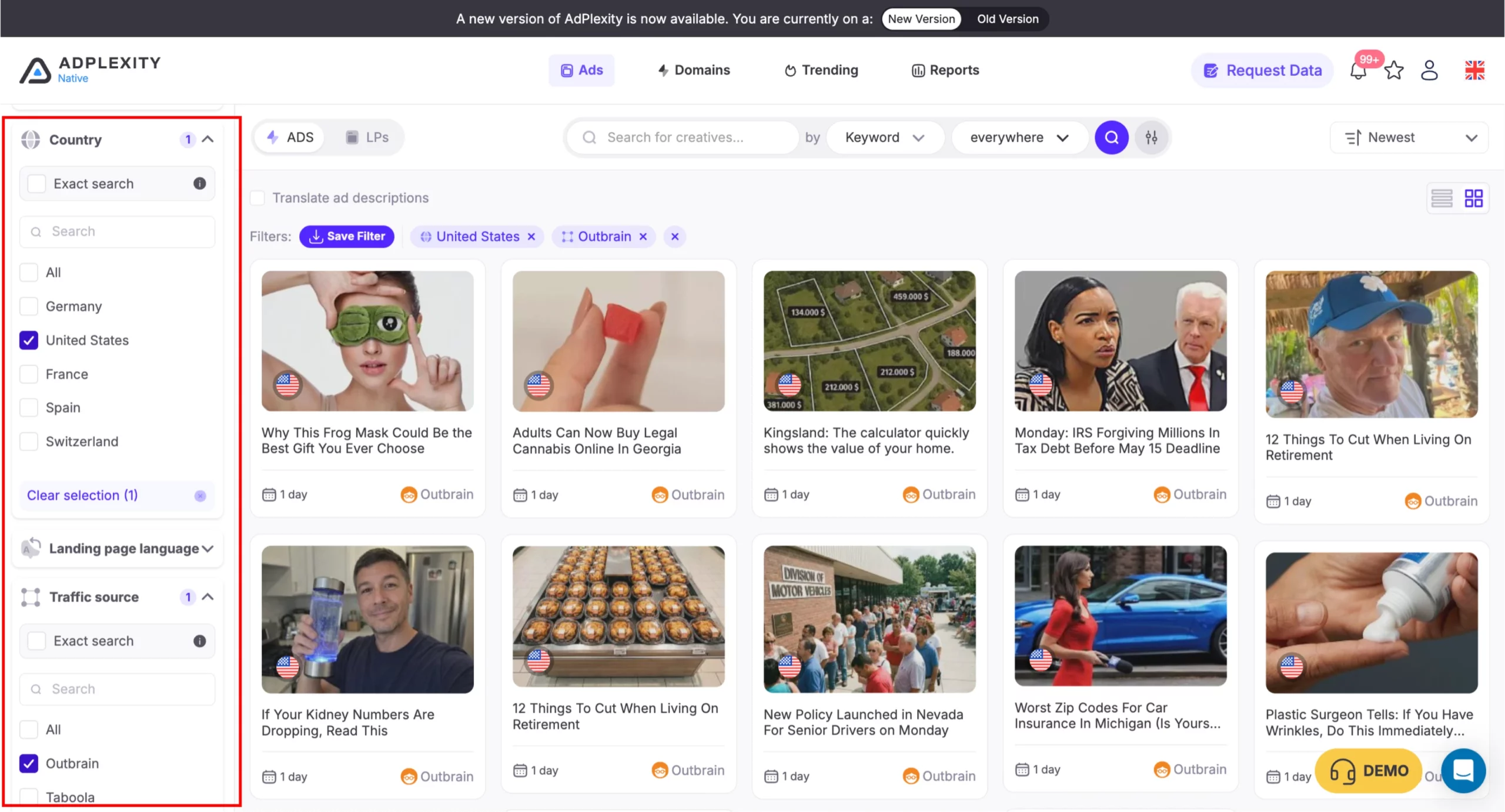
This gives you a clean feed of long-running, geo-targeted Outbrain ads. From here, the analysis starts.
Step 3: Sort by Days Running and Look at the Top 20
This is the single most important step. Sort the results by days running, descending.
The ads at the top of that list are the ones still alive after 30, 60, 90, sometimes 180+ days. Those are profitable. No advertiser keeps a money-losing native ad in rotation for three months.
Open the top 20 ads. You're not looking for the perfect ad to copy. You're looking for the pattern that repeats across them.
Ask:
- How many of the top 20 are running in the same vertical (nutra, finance, insurance, lead gen, e-commerce)?
- What image style keeps appearing? Before-and-after? Lifestyle? Curiosity visuals? Product close-ups?
- What headline angle dominates? Problem-first, curiosity-first, benefit-first, news-style?
- Are most of the long-running ads using image or video creative? (On Outbrain post-Teads, video has been steadily gaining share.)
A vertical that shows 6-8 similar-looking ads in the top 20 is one where the market has converged on a winning angle. That's where the opportunity is.
Step 4: Pull the Landing Pages Behind the Top Creatives
The ad gets the click. The landing page does the conversion. Spying on the creative without spying on the funnel is half-research at best.
Click into each of your top 5 ads and view their landing pages. AdPlexity Native lets you see the full destination, not just a screenshot.
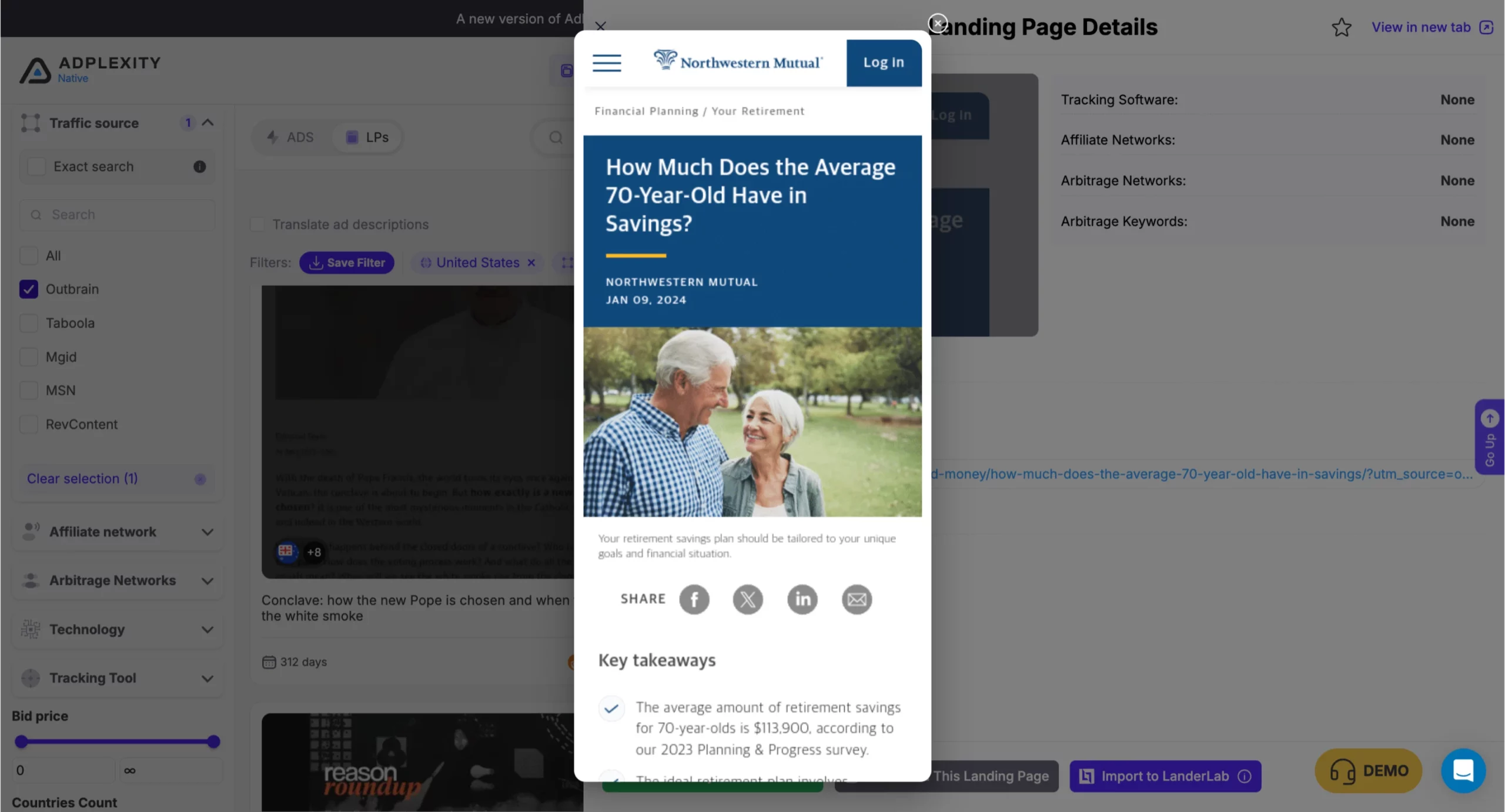
The formats that show up most often on Outbrain landing pages:
- Advertorial: "Local mom discovers..." style story leads, often 1,500-3,000 words before the offer. Heavy on Outbrain because the platform's premium publisher inventory primes readers for editorial-style content.
- VSL (video sales letter): Long-form video that builds the case before revealing the product. Common in finance, nutra, and ED verticals.
- Quiz funnel: Multi-step quizzes that segment users before pitching the offer. Strong on health and finance verticals.
- Listicles: "Top 5 best X" pages that funnel into a primary affiliate offer. Common in insurance and e-commerce.
If three or more of your top 5 ads point to the same format, that's not a coincidence; that's market consensus on what's converting Outbrain traffic in that vertical right now.
Step 5: Decode the Campaign Architecture
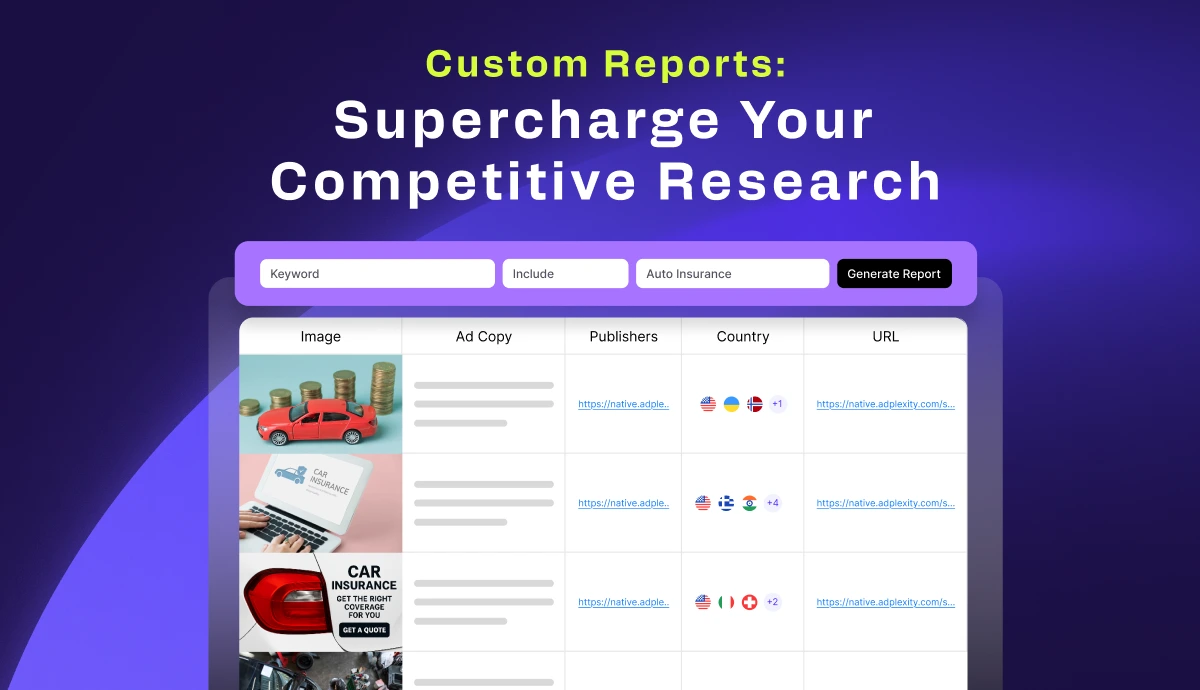
This is where dedicated native ad spy tools earn their subscription. Looking at a creative and its landing page only tells you half the story. The other half is what's happening underneath: which affiliate network the offer runs through, which tracking platform handles the redirects, and which advertiser is buying the traffic.
In AdPlexity Native, every Outbrain ad you pull is tied to:
- Advertiser domain: Who's actually buying the traffic
- Affiliate network: ClickBank, BuyGoods, MaxBounty, MediaForce, and so on
- Tracking platform: Voluum, RedTrack, BeMob, Binom
- Landing page tech stack: What it's built on (WordPress, custom HTML, ClickFunnels)
Why this matters: if you see five top Outbrain ads in the nutra space all running through ClickBank with the same tracking platform, you've identified a network of advertisers who have figured out the math on Outbrain nutra traffic. That's a much stronger signal than "I saw a cool ad once."
It also tells you what offers are scalable on Outbrain. An offer running on three different advertiser domains, all going through ClickBank, all using Voluum, is an offer that multiple affiliates have independently decided is worth scaling. Worth a closer look.
Step 6: Look at the Format Mix, Not Just Individual Ads
Because Outbrain's Smartlogic auto-rotates between Smart-Cards (image, carousel, video), the long-running campaigns you find usually have multiple creative variants live at the same time.
When you find a long-running advertiser, check their full ad set across the time period, not just the single creative at the top of your search. In AdPlexity Native, you can pull all ads from a specific advertiser domain.
What you're looking for:
- Do they run image and video versions of the same angle?
- How many headline variations are live at once? (Top affiliates typically rotate 5-15 headlines per angle.)
- Do they have separate creatives for mobile vs. desktop?
- Are landing page variations being tested behind the same ad set?
This tells you how aggressively they're split-testing. If the top affiliate in your vertical is running 15 ad variants and 4 landing page variants, that's the baseline you need to match if you want to compete on the same traffic.
Step 7: Save Patterns, Build a Test, Launch
At this point you should have:
- The dominant creative style for your vertical on Outbrain (image vs. video, problem vs. curiosity, etc.)
- The landing page format that recurs across top campaigns (advertorial, VSL, quiz, listicle)
- The affiliate network and tracking stack that's working
- A sense of how many variants top competitors are running
Now you build. Not by copying any single ad, but by replicating the underlying angle with your own creative. Same problem-curiosity-benefit structure, your own imagery, your own headline twist, your own landing page hook.
If you're using LanderLab, you can import the strongest landing page directly from AdPlexity Native with one click, swap the offer and headline, and have a test version live without ever opening a separate builder.
The math on this: a properly-researched Outbrain campaign launched with informed assumptions wins or fails for the right reasons. You're testing creative variations within a proven angle, not testing whether the angle itself works.
SPY ON OUTBRAIN TODAY
See What's Actually Winning on Outbrain
Filter by traffic source, sort by days running, and pull the campaign architecture behind every long-running ad.
Common Mistakes When Spying on Outbrain Ads
1. Scanning new ads instead of long-running ones
The newest ads in your feed are the ads still being tested. They're not validated yet. The ads that have survived 30, 60, or 90+ days are the only ones that tell you what's actually profitable. Always sort by days running, descending, before you analyze anything.
2. Mixing geos in one session
What works on Outbrain in the US doesn't always work in the UK, DE, or BR. Premium publisher inventory varies by region, and Smartfeed engagement patterns shift with it. Run one geo per spy session.
3. Ignoring video creatives after the Teads merger
Many affiliates still spy on Outbrain like it's 2022, looking only at static image + headline combinations. Since the Outbrain-Teads merger closed in February 2025, in-article video has become a real share of Outbrain inventory. Filter for video format separately and look at what's working there, not just static.
4. Stopping at the creative
The ad is the easy part to copy. The landing page, the offer angle, the tracking stack, and the funnel flow are where the actual money is being made. If your spy tool doesn't show you the full campaign architecture, you're working with half the data.
5. Copying instead of pattern-matching
The goal is not to find one ad to imitate. It's to find the pattern that 6-10 long-running ads share, extract the underlying angle, and build your own version. Copying a single ad means you're chasing someone else's tested winner with worse data and a slower launch.
FAQ
Is it legal to spy on Outbrain ads?
Yes. Ad spy tools index publicly visible ad placements on publisher sites. You're not accessing private campaign data or violating any platform policies. Outbrain ads run on public publisher pages and are visible to anyone visiting those sites.
Can I spy on Outbrain ads for free?
You can manually browse premium publisher sites (CNN, BBC, Washington Post, Mirror, and so on) and look at the Smartfeed widgets, but you won't get filtering, historical data, day-by-day tracking, or landing page access. For real spy work, you need a dedicated tool. Free public sources don't cover Outbrain at any useful depth.
How is spying on Outbrain different from spying on Taboola?
Outbrain skews more toward Tier-1 premium publishers and uses a feed-based Smartfeed delivery with auto-rotating ad formats (Smart-Cards). Taboola uses a Discovery widget format and has broader Tier-2 and Tier-3 publisher inventory. The creatives and landing page formats that win on each network are different enough that you should spy on them separately, not as one combined "native" pool.
What about Teads ads since the 2025 merger?
The Outbrain-Teads merger closed in February 2025 and the combined company now operates under the Teads name. Teads inventory (in-article video) is part of the same distribution network as the legacy Outbrain ads. Most affiliates still call this "Outbrain traffic" by habit, and ad spy tools still tag it that way. If you're spying on Outbrain in 2026, filter by video format separately and analyze video creatives as a distinct pattern. The advertisers running video are often different from the ones running static, and the landing pages are usually built for a warmer, post-video click.
How long does an Outbrain spy session take?
A focused session, one geo, one vertical, one device, takes 20-30 minutes once you know the workflow. Set filters, scan top 20 by days running, pull top 5 landing pages, note the campaign architecture, and you have enough to design a test.
What's the best spy tool for Outbrain specifically?
For Outbrain coverage at the depth performance marketers need (creative, landing page, affiliate network, tracking stack, advertiser domain), AdPlexity Native is the standard. We compared the top options in our Top 7 Native Ad Spy Tools roundup.
Next Steps
Spying on Outbrain ads is a research process, not a one-time exercise. The campaigns winning today won't be the same campaigns winning in three months. Patterns shift, new advertisers test new angles, format mix evolves.
The affiliates who scale on Outbrain build the spy workflow into their weekly process. Twenty minutes a week of focused research keeps you ahead of creative fatigue and lets you spot new angles before the market saturates them.
If you're ready to start running Outbrain campaigns with informed assumptions instead of guesses, AdPlexity Native gives you the depth of coverage and campaign architecture visibility to make every test count.
Book a free AdPlexity Native demo →